



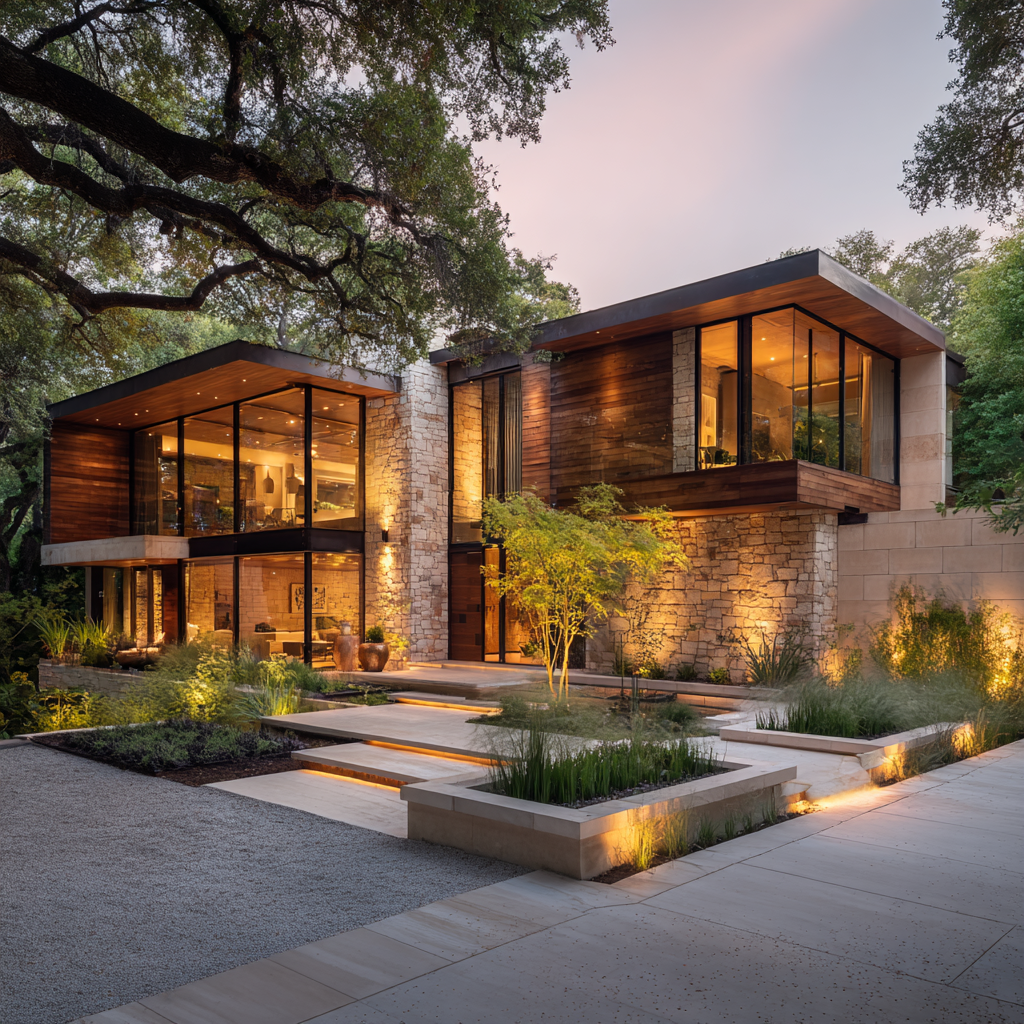
Lighting Design Tips in Tampa Homes: Why Lighting Changes Everything
If there’s one design element that has the power to completely transform a home — without changing a single piece of furniture — it’s lighting.
I often tell my Tampa clients that lighting is the difference between a home that simply looks nice and one that feels incredible.
In Florida homes especially, lighting must work in harmony with abundant natural light during the day and create warmth, intimacy, and function in the evening. When lighting is chosen thoughtfully, rooms feel calm, balanced, and intentionally designed. When it’s overlooked, even the most beautiful interiors can fall flat.
This guide walks you through how designers approach lighting room by room — not just selecting fixtures, but designing an experience that supports how you live in your home.
A Question I Hear All the Time From Homeowners
Many clients come to me after building or renovating their home feeling unsure about their lighting.
“Why does my home still feel unfinished?”
Often, the answer isn’t furniture or décor — it’s lighting.
A Tampa homeowner once shared:
“Once the lighting was installed, everything finally made sense. The house felt warm at night, and every room felt intentional instead of harsh or flat.”
That shift is exactly why designers treat lighting as a foundational element, not an afterthought.
The Three Layers of Designer Lighting
Professionally designed homes rely on three distinct lighting layers. Skipping even one can make a space feel unbalanced.
Ambient Lighting: Setting the Foundation
Ambient lighting provides overall illumination. In Tampa homes, this often includes recessed lighting, ceiling-mounted fixtures, or architectural lighting.
The key is restraint. Too much ambient lighting can feel clinical, while too little leaves rooms feeling dim and impractical.
Task Lighting: Supporting How You Live
Task lighting focuses on function — reading, cooking, grooming, or working.
Examples include:
• Kitchen island pendants • Under-cabinet lighting • Bathroom vanity sconces • Desk and reading lamps
Well-placed task lighting makes daily routines feel effortless.
Accent Lighting: Creating Mood and Depth
Accent lighting adds dimension and drama. It highlights artwork, architectural details, textured walls, and built-ins.
This is where homes begin to feel layered, cozy, and elevated — especially in the evenings.

Living Room Lighting: Comfort Meets Atmosphere
Living rooms in Tampa homes often serve multiple purposes — relaxing, entertaining, and gathering with family.
Designers typically layer:
• A central statement fixture or subtle ceiling light • Table and floor lamps for warmth • Accent lighting for architectural features or art
Soft, warm light encourages conversation and relaxation, especially during evening gatherings when indoor–outdoor entertaining is common.
Avoid relying solely on recessed lighting. While practical, it rarely creates the cozy, elevated atmosphere homeowners are craving.
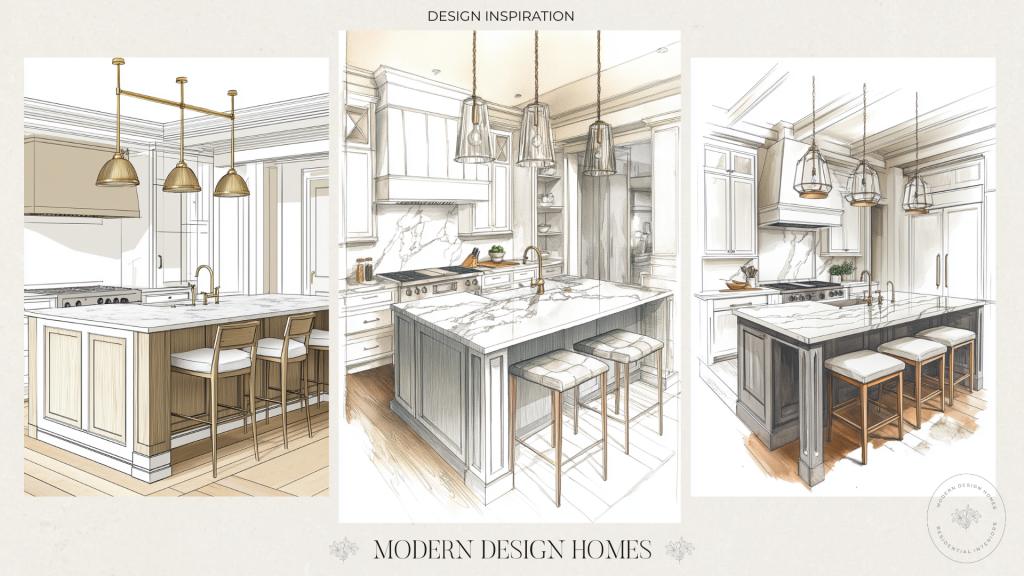
Kitchen Lighting: Functional, But Never Harsh
Kitchens are among the most lighting-sensitive spaces in the home.
In Tampa’s open-concept layouts, kitchen lighting must work seamlessly with adjacent living and dining areas.
Designer-approved kitchen lighting includes:
• Layered recessed lighting • Statement pendants over islands • Under-cabinet lighting for task support • Dimmer switches for flexibility
This combination ensures the kitchen feels bright and functional during the day, yet warm and inviting in the evening.
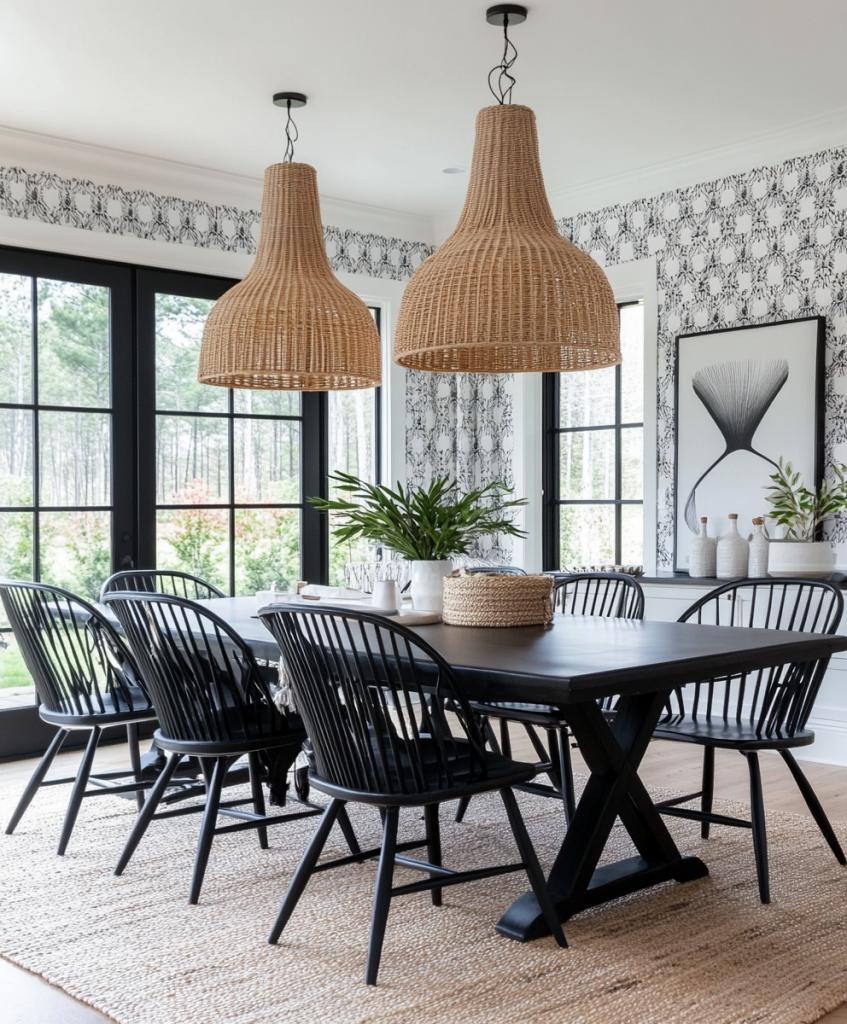
Dining Room Lighting: Creating a Sense of Occasion
Dining rooms benefit from a single focal-point fixture that anchors the space.
In modern transitional interiors, this is often a sculptural chandelier or linear pendant that feels timeless rather than trendy.
Scale and placement matter. A fixture that’s too small or hung too high can make the space feel disconnected.
Lighting should encourage lingering — soft, warm, and flattering.
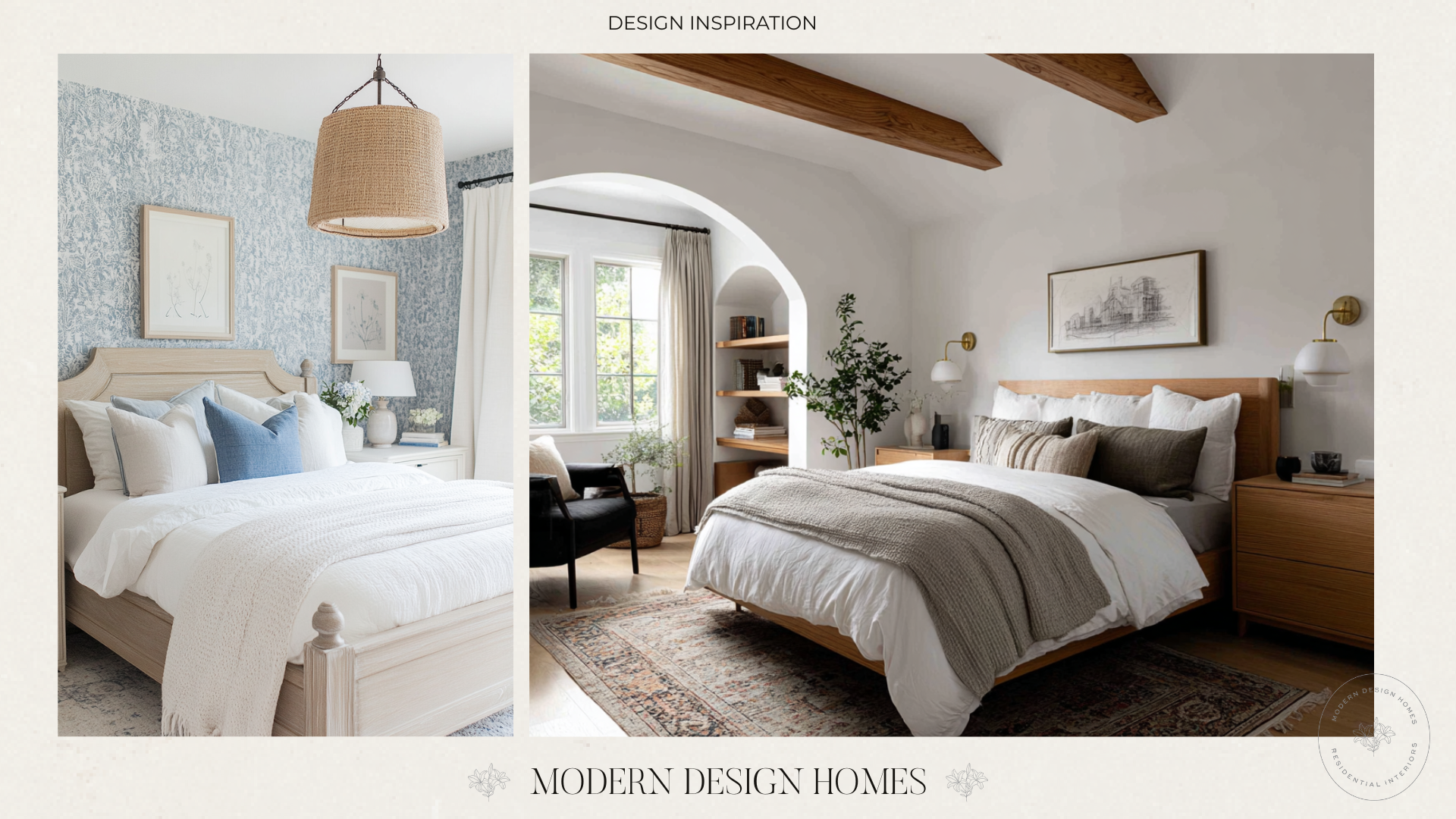
Bedroom Lighting: Calm, Restful, and Personal
Bedrooms are meant to feel like sanctuaries.
Designers layer lighting to support relaxation:
• Soft ambient lighting • Bedside lamps or sconces • Accent lighting for depth
In Tampa homes, window treatments often filter strong daylight, making evening lighting even more important for setting a calming tone.
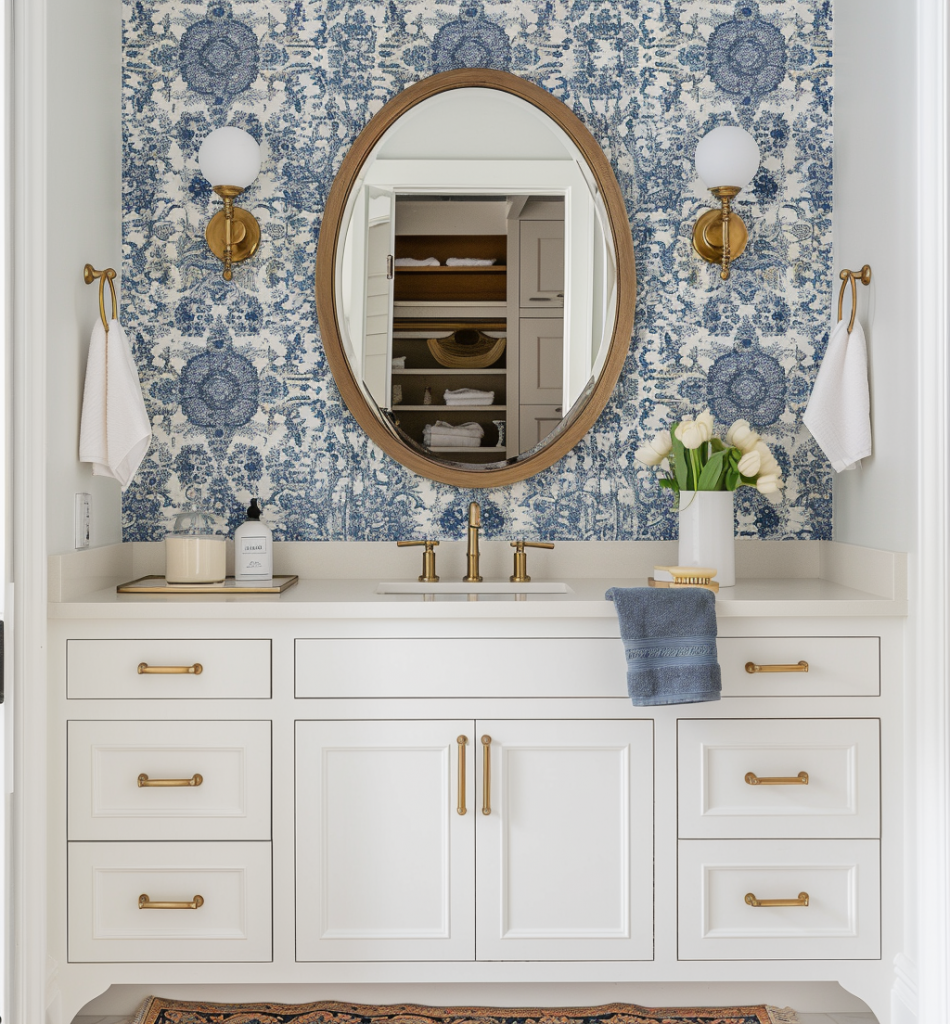
Bathroom Lighting: Where Function and Beauty Meet
Bathrooms are one of the most common areas where lighting mistakes happen.
Overhead lighting alone often creates harsh shadows. Designers counter this by layering:
• Vanity lighting at eye level • Overhead ambient lighting • Accent lighting for depth
This approach ensures flattering light for daily routines while maintaining a spa-like atmosphere.
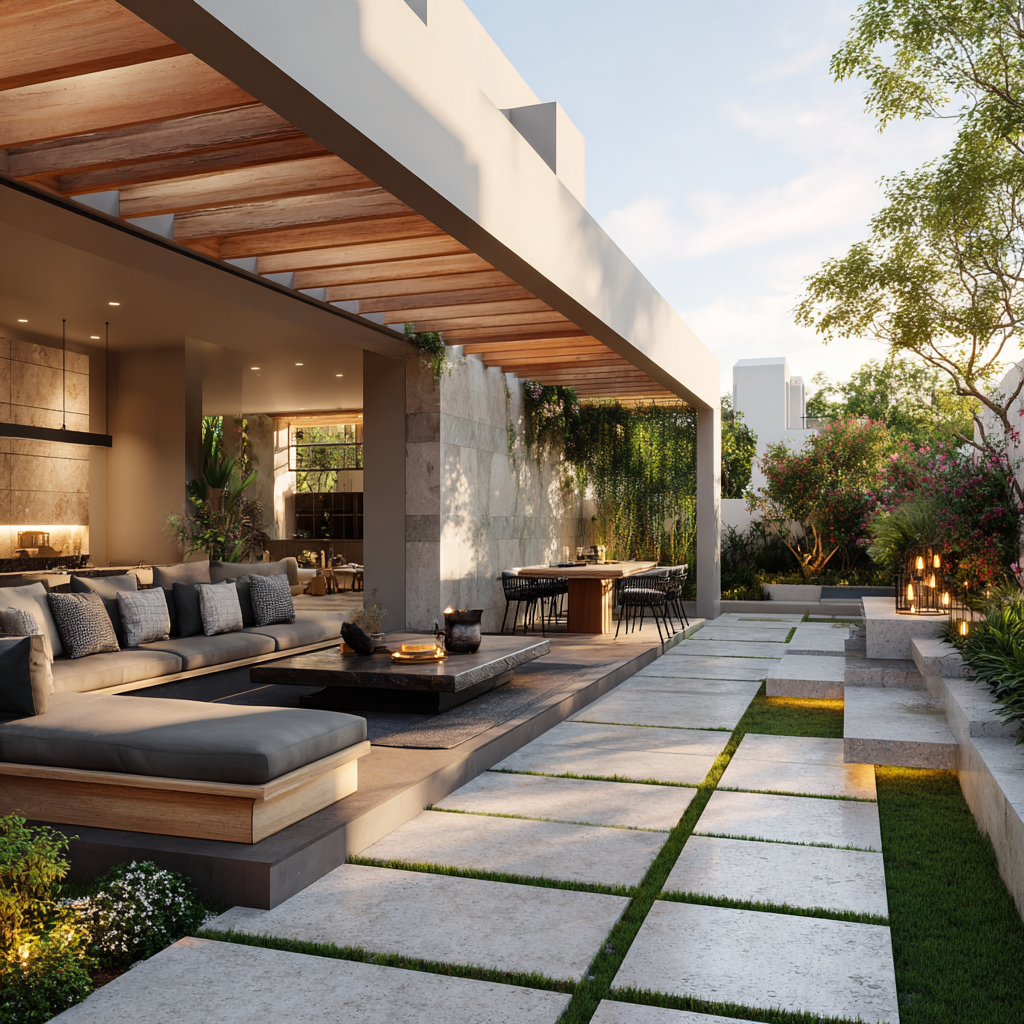
Outdoor and Transitional Spaces: Extending the Home
In Tampa, outdoor living is an extension of the interior.
Thoughtful lighting on patios, lanais, and entryways enhances safety while creating a welcoming glow.
Designers often use:
• Warm wall sconces • Subtle landscape lighting • Accent lighting for architectural features
This continuity between indoor and outdoor lighting supports seamless entertaining and enhances curb appeal.
The Power of Dimmers and Smart Controls
One of the simplest upgrades with the biggest impact is adding dimmer switches.
Dimmers allow homeowners to adjust lighting based on time of day, mood, and activity — a must in Florida homes where daylight shifts dramatically.
Smart lighting systems add another layer of convenience, allowing scenes to be customized throughout the home.
Why Lighting Should Be Planned Early
Lighting decisions should be made early in the design process — not after construction or furniture installation.
When lighting is planned alongside finishes, layouts, and furniture, it enhances every other design choice.
This proactive approach prevents costly changes later and ensures the home feels cohesive from the start.
Internal link suggestion: From Blueprint to Bliss: How to Design a Cohesive Home Without Losing Your Mind
Why Professionally Designed Lighting Feels Different
Most homeowners don’t realize how many decisions go into lighting — from beam angles to bulb temperature to fixture scale.
Designers consider:
• Ceiling height and room proportions • Natural light patterns • Function of each space • Visual flow throughout the home
That’s why professionally designed lighting feels effortless — because it’s intentional.
Is Your Home’s Lighting Supporting the Way You Live?
If your home feels flat, harsh, or unfinished, lighting may be the missing piece.
The right lighting doesn’t just illuminate — it elevates.
Ready to Design a Home That Truly Glows?
At Modern Design Homes, we design lighting as part of a complete, cohesive interior — ensuring every room feels intentional, warm, and beautifully balanced.
Whether you’re building new, renovating, or refining your space, our full-service interior design process ensures no detail is overlooked.