



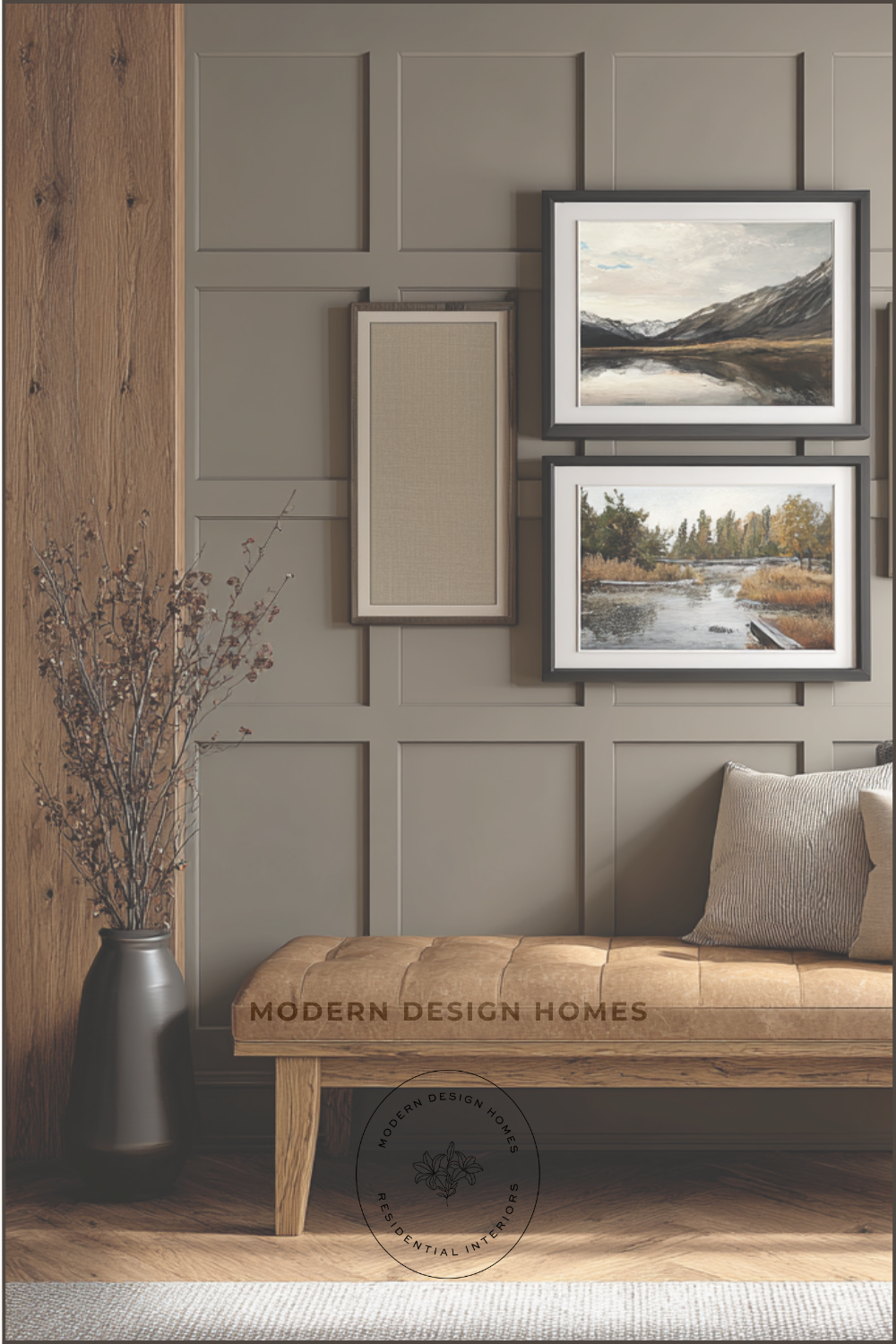


Why scale matters in home design is something most homeowners don’t think about — until their finished space feels slightly off.
It’s not the sofa. It’s not the backsplash. It’s not even the paint color.
It’s scale and proportion.
And when scale is overlooked, even beautifully furnished homes can feel incomplete.
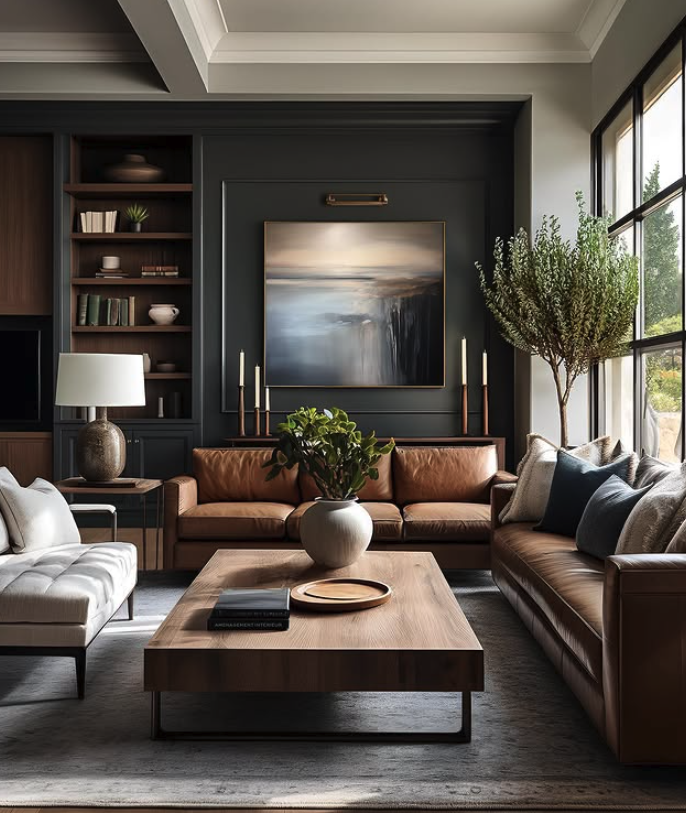
Why Scale Matters in Home Design More Than You Think
You can invest in stunning finishes, custom cabinetry, and designer furnishings — but if the proportions aren’t balanced, the room will never feel quite right.
Scale and proportion determine:
• Whether a space feels grounded or awkward
• Whether furniture looks luxurious or undersized
• Whether lighting feels architectural or accidental
• Whether the room feels cohesive or disconnected
Understanding why scale matters in home design is what separates a decorated room from a professionally designed one.
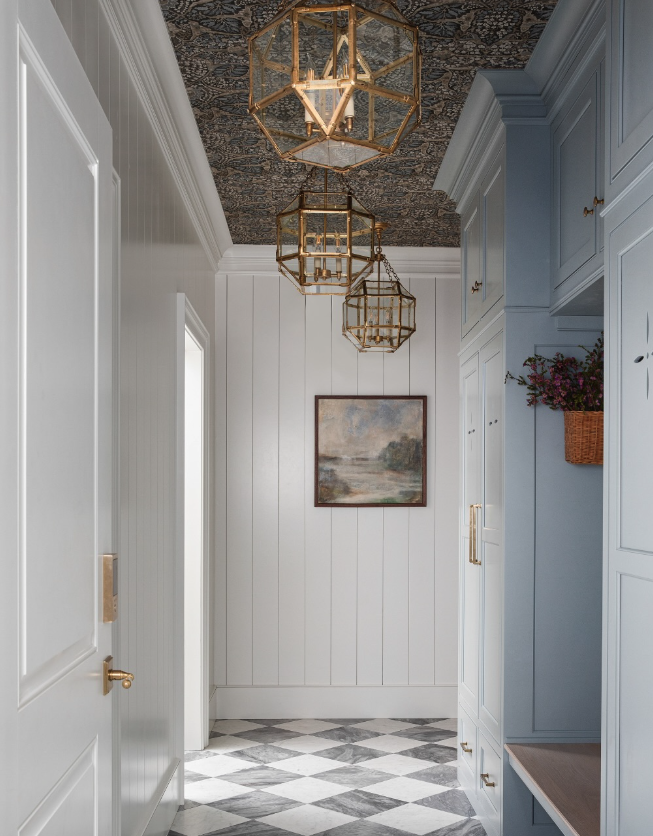
What Happens When Scale Is Off
You’ve probably walked into a room and sensed that something was “wrong,” but you couldn’t explain why.
Often it’s because:
• The sofa is too small for the room
• The rug doesn’t anchor the furniture
• The chandelier is undersized for the ceiling height
• Nightstands are too petite for the bed
• Art is hung too high or too small
Individually, none of these feel dramatic. Together, they subtly disrupt the experience of the space.
Instead of feeling calm and refined, the room feels unsettled.
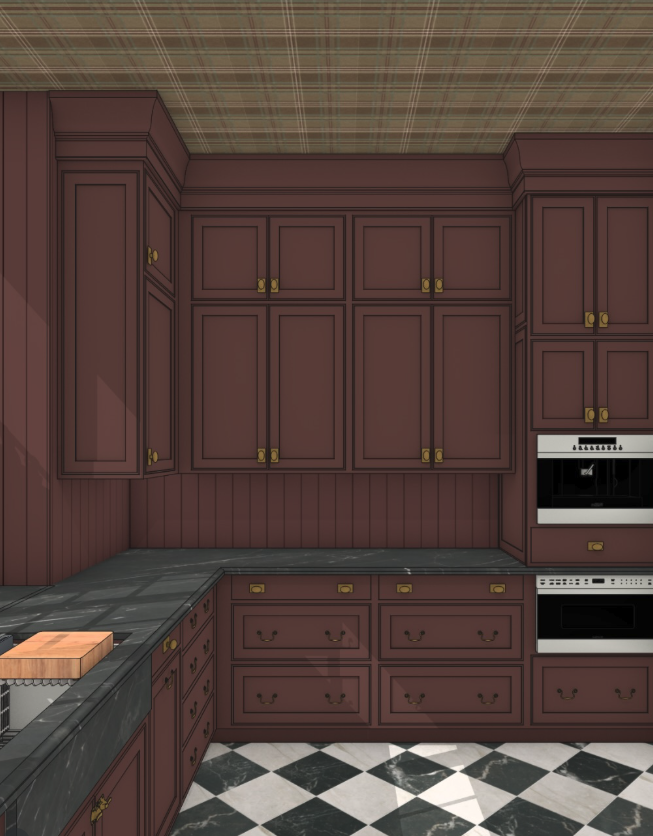
Why This Happens in New Builds Especially
New construction homes often feature:
• Higher ceilings
• Larger open-concept rooms
• Expansive walls
• Wide kitchen islands
These generous proportions require furnishings and lighting that are intentionally scaled to match.
Yet many homeowners shop as if they’re furnishing their previous home — not the home they’re moving into.
This is precisely why scale matters in home design, especially in larger modern homes.
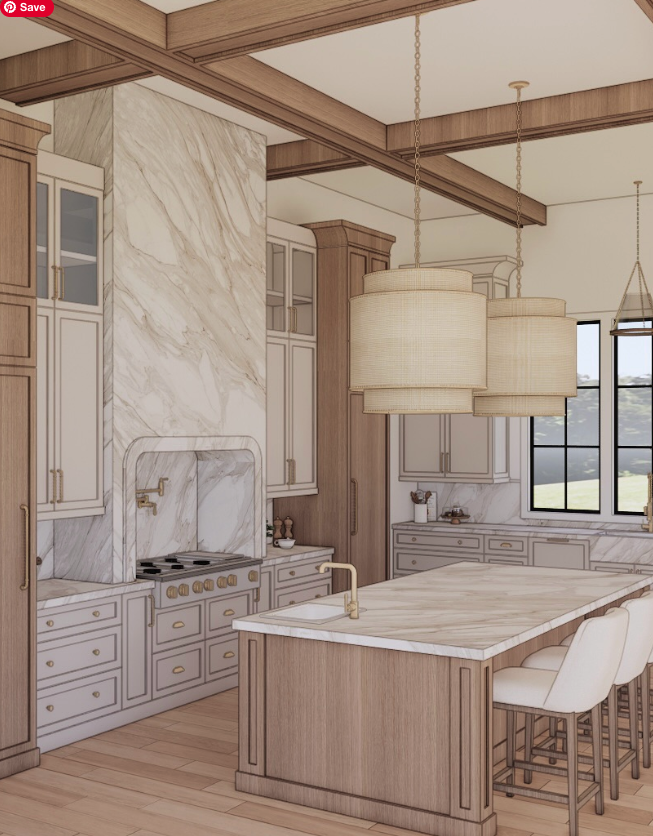
How We Approach Scale Differently
Before we select a single piece of furniture, we evaluate:
• Ceiling height
• Architectural sightlines
• Wall expanses
• Traffic flow
• Adjacency between rooms
Then we design the room as a complete composition.
That might mean:
• A longer, deeper sofa instead of a standard size
• Oversized pendants to properly anchor a kitchen island
• Custom drapery installed higher and wider to elongate walls
• Layered rugs for visual grounding
• Larger-scale art or custom installations
When proportion is correct, everything feels effortless — even when the design is bold.
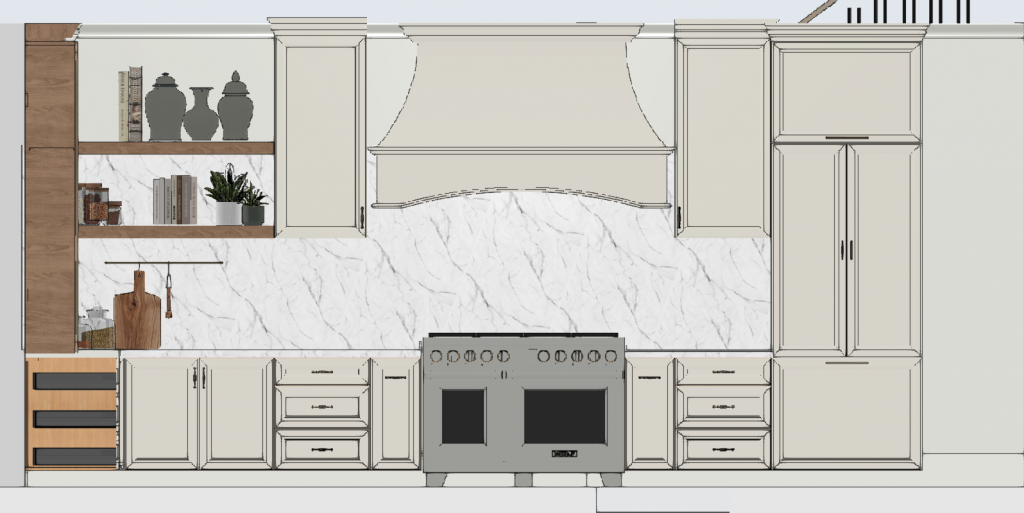
The Emotional Impact of Proper Proportion
When scale is thoughtfully handled, homeowners often say:
“It just feels right.”
“It feels finished.”
“It finally feels like us.”
Balanced proportion creates visual calm. It allows your eye to move comfortably through the space. It makes a home feel elevated without trying too hard.
If Your Home Feels “Almost There”
If you’ve invested in beautiful pieces but something still feels slightly off, proportion may be the missing layer.
Design isn’t just about choosing attractive things.
It’s about orchestrating them correctly within the architecture of your home.
And that’s often the difference between a room that looks decorated — and a home that feels intentionally designed.
Continue Reading
If you’re refining a new build, you may also enjoy:
• Read: Inside a Tampa Home Transformation: Designing a Cohesive New Build
• Read: Why Lighting Is the Most Underrated Design Element in Your Home
• Read: What Is Modern Transitional Interior Design?
Exploring how these elements work together will help you better understand how a truly cohesive home comes to life.